Diet guide
What is a low-oxalate diet?
Understand the basic approach, the role of oxalate in some kidney stones and the other factors that belong in a personalised prevention plan.
The basics
How a low-oxalate diet works
Oxalate is a naturally occurring substance found in many foods. A low-oxalate diet is an eating approach that limits foods with higher oxalate levels and makes room for lower-oxalate alternatives.
It may be recommended for some people who form calcium oxalate kidney stones or have high urinary oxalate—but it is not the right plan for everyone. Your stone type and clinical results should guide any dietary changes.

- 01
Reduce selectively
Focus on portions and practical swaps for foods with higher reported values. The goal is usually not to remove every food containing oxalate.
- 02
Keep appropriate dietary calcium
Calcium eaten with a meal can bind with oxalate in the digestive tract. Do not restrict calcium unless your clinician advises it.
- 03
Look at the whole picture
Hydration, sodium, stone type, urine results and the overall quality of your diet matter alongside food oxalate.
Learn more from Kidney Health Australia and the National Kidney Foundation. Always discuss significant dietary changes with a doctor or renal dietitian.
Explore food valuesPer-serving guide
What do low, moderate and high mean?
There is no universal classification. Oxalate Info uses the bands below, adapted from a National Kidney Foundation clinical guide, to keep filters consistent and understandable.
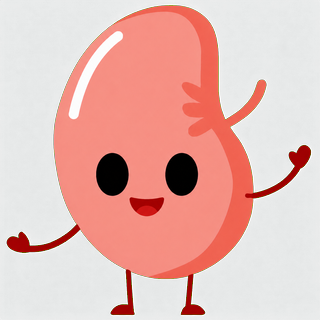 Low0–10 mgper listed serving
Combines very-low and low reported values.
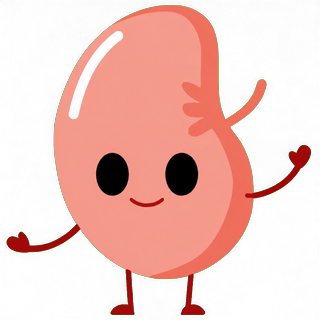 Moderate11–25 mgper listed serving
Worth considering within the whole meal.
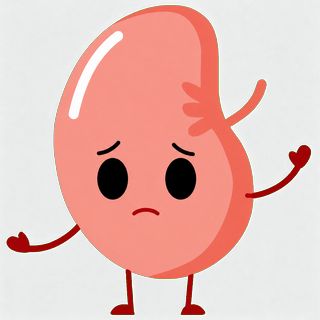 High26–99 mgper listed serving
A larger contribution from one serving.
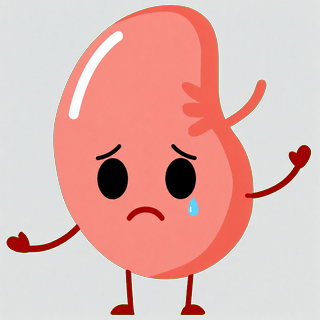 Very high100 mg or moreper listed serving
One serving can contribute substantially.
Framework adapted from the National Kidney Foundation clinical guide. Other organisations use different thresholds, and reported food values vary. These bands describe amounts, not what is personally safe for you.
Cross-checked guidance
10 high-oxalate foods to know
These foods are repeatedly highlighted by kidney-health resources. They are not ranked. Each card pairs one serving with a value reported in our food database; amounts can change with variety, preparation, source and serving size.
- SpinachCooked leafy green½ cup755 mg
- Swiss chardGreen variety1 cup347 mg
- RhubarbStalk vegetable½ cup541 mg
- AlmondsNuts1 oz · 22 kernels122 mg
- BeetsRoot vegetable½ cup76 mg
- Navy beansLegume½ cup76 mg
- Potatoes with skinStarchy vegetable1 medium97 mg
- Sweet potatoesStarchy vegetable1 cup28 mg
- Dark chocolate70–85% cocoa1.75 oz134 mg
- 100% Bran cerealWheat bran cereal1 cup75 mg
This is an informational watch-list, not a universal avoid-list. Kidney-stone advice should be personalised by a qualified clinician to your stone type, urine results and overall health.